Have you ever considered how light can impact your health? Red light therapy is gaining attention for its potential benefits, especially for veterans. By harnessing specific wavelengths, this therapy can support both physical recovery and mental well-being. However, the mechanics behind it and how it fits into a veteran’s recovery plan might surprise you. Let’s explore the science and see how it can make a difference.
The Science Behind Red Light Therapy
When you dive into the science behind red light therapy, you’ll discover it harnesses specific wavelengths of light to stimulate cellular functions.
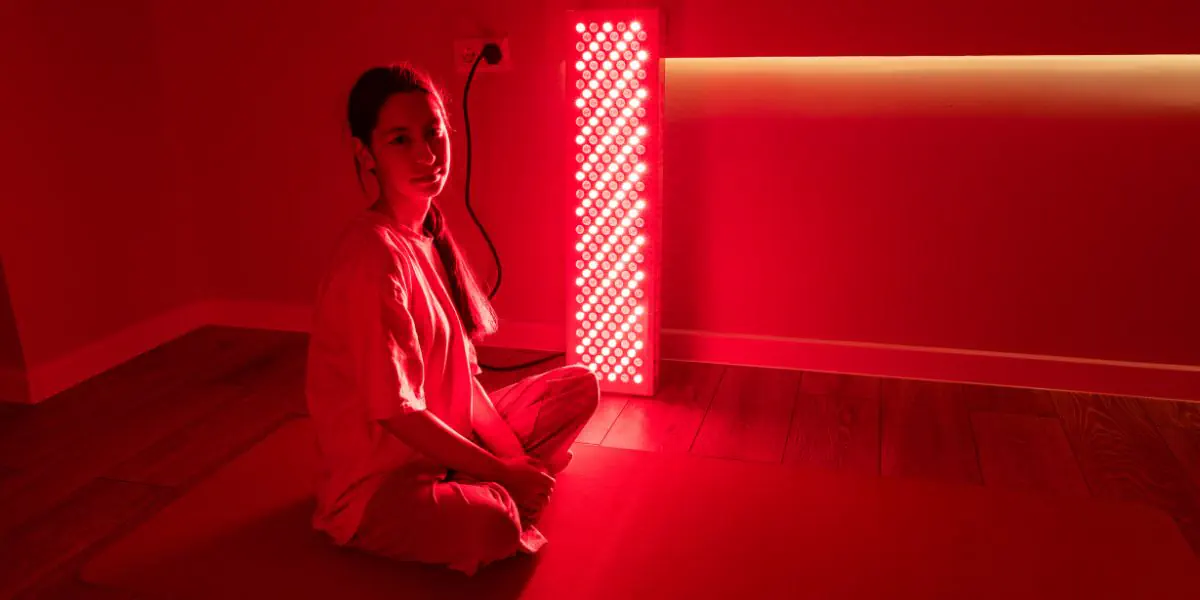
This therapy uses low-level lasers or LEDs, primarily in the red and near-infrared spectrum, targeting the mitochondria in your cells. As these wavelengths penetrate your skin, they encourage ATP production, which fuels your cells.
Enhanced ATP levels can improve your cells’ energy, leading to more efficient healing and regeneration. Additionally, red light therapy may help reduce oxidative stress and inflammation, promoting overall cellular health.
You’ll find that this non-invasive treatment offers a fascinating approach to enhancing your body’s natural functions, tapping into the power of light to support your well-being at a cellular level.
Physical Benefits for Veterans
While many veterans face physical challenges after their service, red light therapy offers a promising avenue for recovery and rehabilitation. This non-invasive treatment can help reduce inflammation and accelerate healing in injuries, making it easier for you to regain strength and mobility.
If you’re dealing with chronic pain or joint issues, red light therapy may enhance your recovery by promoting better blood circulation and tissue repair. Many veterans also report improved muscle recovery after intense physical activity, allowing you to stay active and engaged in life.
Mental Health Improvements
As you navigate the complexities of life after service, red light therapy can play a vital role in enhancing your mental health. This innovative treatment helps reduce symptoms of anxiety and depression by promoting better mood regulation.
The therapy works by stimulating cellular activity in your body, leading to increased energy levels and improved emotional resilience. You might notice a boost in your overall sense of well-being and a reduction in stress-related symptoms.
Many veterans have reported feeling more focused and less overwhelmed after incorporating red light therapy into their routines. By prioritizing your mental health, you can cultivate a more balanced life, helping you transition more smoothly into civilian life.
Embracing this therapy could be a game-changer for your mental wellness.
How to Incorporate Red Light Therapy Into Recovery Plans
Incorporating red light therapy into your recovery plan can be straightforward and effective, especially when you tailor it to fit your specific needs.
Start by consulting with a healthcare professional to determine the right dosage and frequency for your condition. You can use red light therapy devices at home or visit clinics offering treatments. Aim for sessions of 10-20 minutes several times a week.
Create a routine that complements your other therapies, like physical exercise or counseling, to enhance overall benefits. Track your progress to see how it affects your recovery.
Don’t forget to combine red light therapy with healthy lifestyle choices, such as proper nutrition and adequate sleep, to maximize your healing journey.
Conclusion
Incorporating red light therapy into your recovery plan can significantly enhance your physical and mental well-being. By harnessing the power of specific wavelengths, you can boost healing, reduce inflammation, and improve circulation while also alleviating anxiety and depression. Embracing this innovative therapy not only aids in your transition to civilian life but also empowers you to reclaim your strength and resilience. Take the step towards a holistic approach to wellness and discover the transformative benefits red light therapy can offer.
Trending Products